
Impact
From resource to real impact.
We turn locally available biomass into productive energy, creating value across industries, communities and the circular economy.
Data · Impact at a glance
The figures, and how we count it.
Source: Utheri Energy Solutions Limited production records. We publish a figure only once we can show how it was calculated.
- 100+ tonnes / month
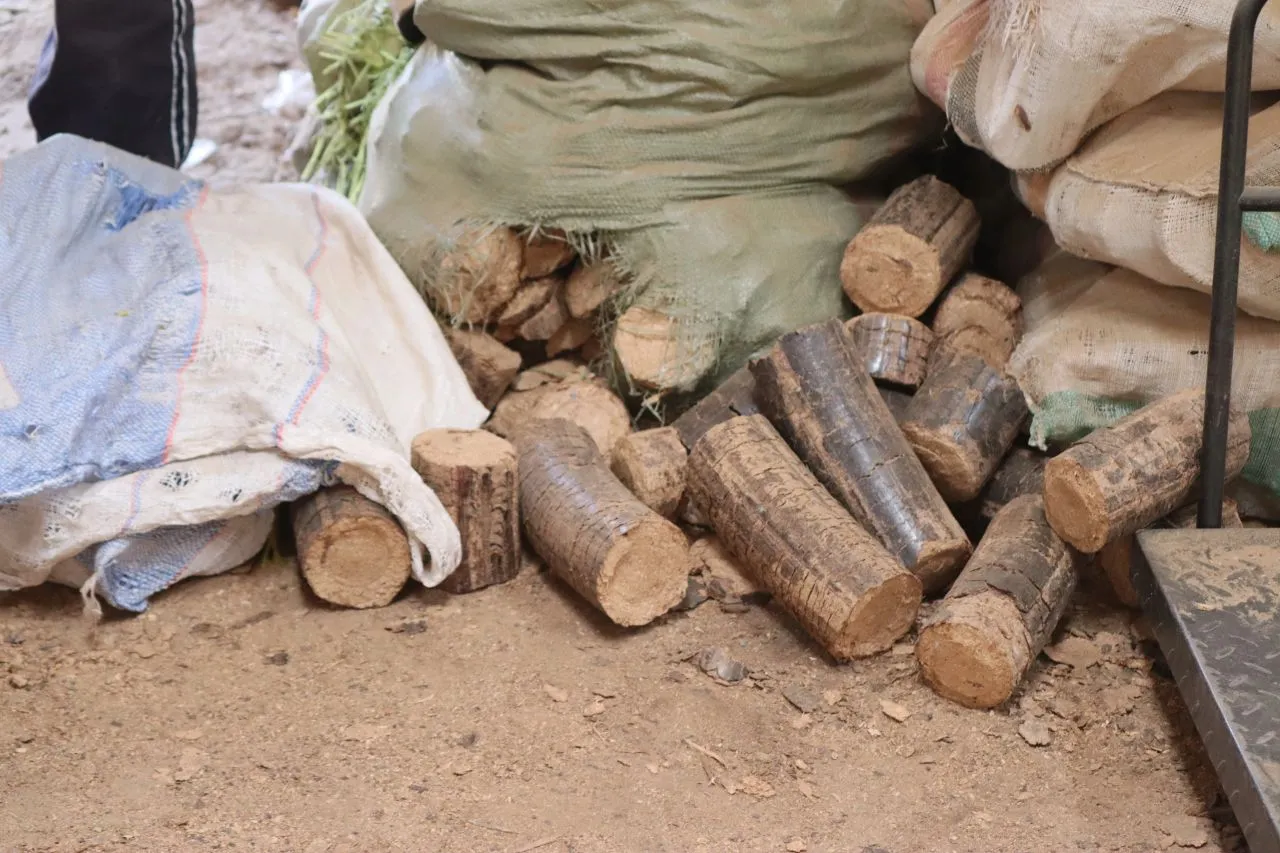
- Briquettes produced
- Method: Average monthly output from Utheri production records.
- 1,200+ tonnes / year
- Briquettes produced, annualised
- Method: Monthly output × 12. Sawdust used is higher, as it loses moisture and mass in drying and pressing.
- 7 biomass fuels
- Product lines supplied
- Method: Briquettes, Sawdust, Pinecones, Wood chips, Macadamia shells, Coffee husks, Maize cobs. Each is a separate product line.
- 2022 operating since
- Producing in Maai Mahiu
- Method: Year Utheri Energy Solutions began production.
Chain · Ripple effects
Who benefits: one resource, many ripple effects.
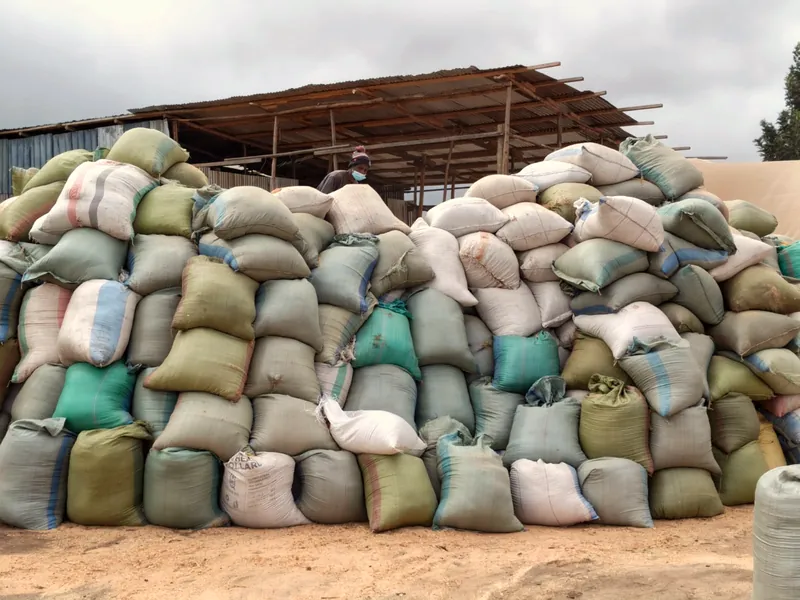
A tonne of residue doesn’t stop at being fuel. Once it is recovered, processed and burned for heat, the value spreads outward.
- Industrial productivity Local fuel for boilers, gasifiers, kilns and furnaces.
- Jobs & livelihoods Work in collection, drying, pressing and delivery, with a focus on women and youth.
- Local value Residues from sawmills, farms and forests gain a market.
- Circular economy Residue becomes a fuel instead of waste.
Environment · Circular economy
Circular economy: not waste, but a resource waiting for its next use.
Sawmill, farm and forest residues become industrial fuels when they are properly recovered, prepared and matched to the right application. We don’t claim to save the planet; we explain the mechanism.
-
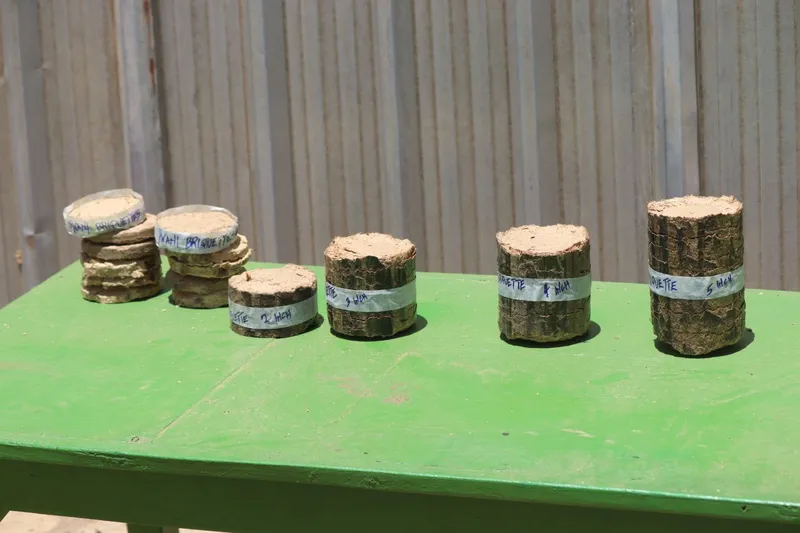
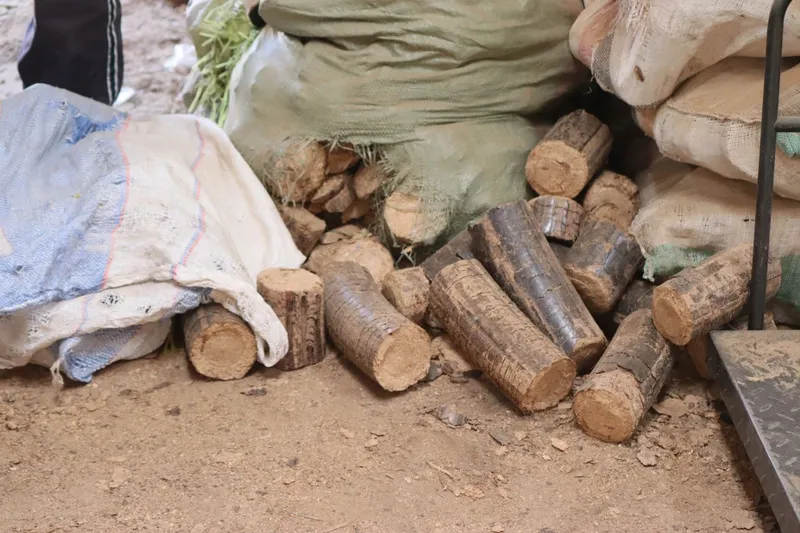
Briquettes
-
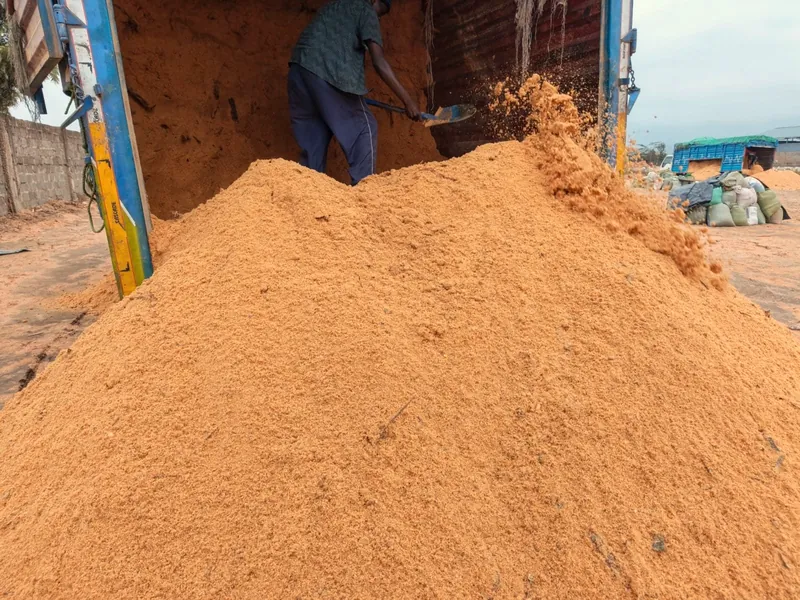
Sawdust
-
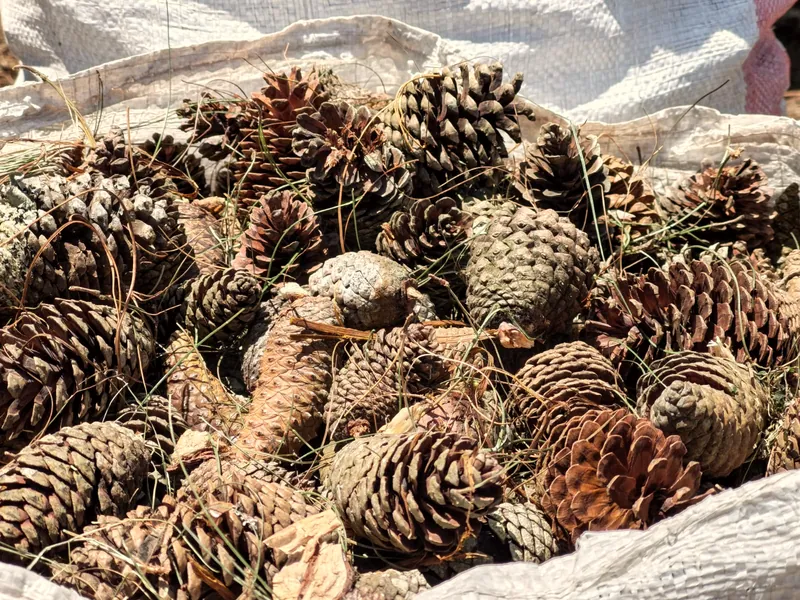
Pinecones
-
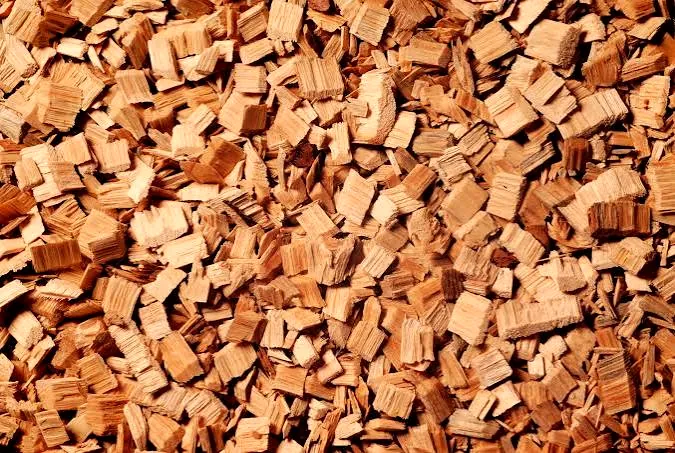
Wood chips
-
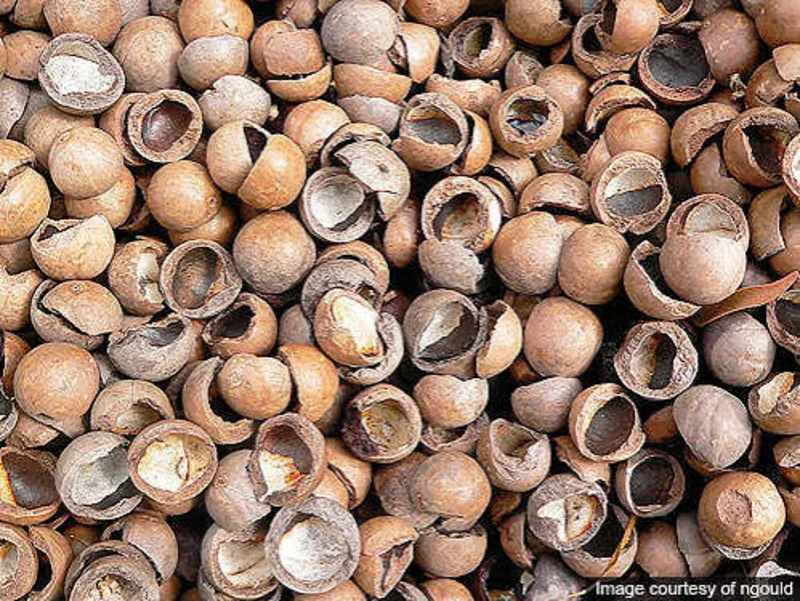
Macadamia shells
-
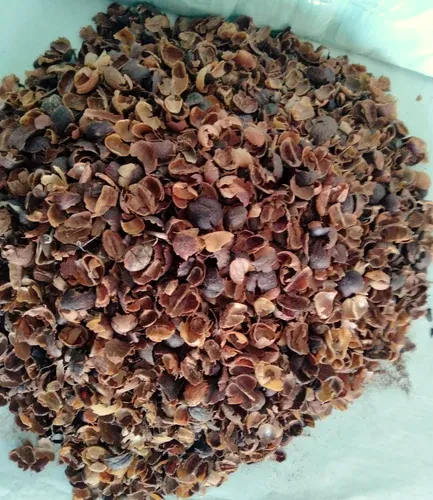
Coffee husks
-
Maize cobs

Where biomass suits the process, briquettes offer an alternative to firewood, charcoal and fossil fuels, using residues that are already available locally.
- 1 Agricultural & forestry residues
- 2 Resource recovery
- 3 Processing
- 4 Industrial use
- 5 Productive output
- 6 Local economic value
- Local value funds the next round of recovery.
Economy · Local value
The local economy: local resources, real value.
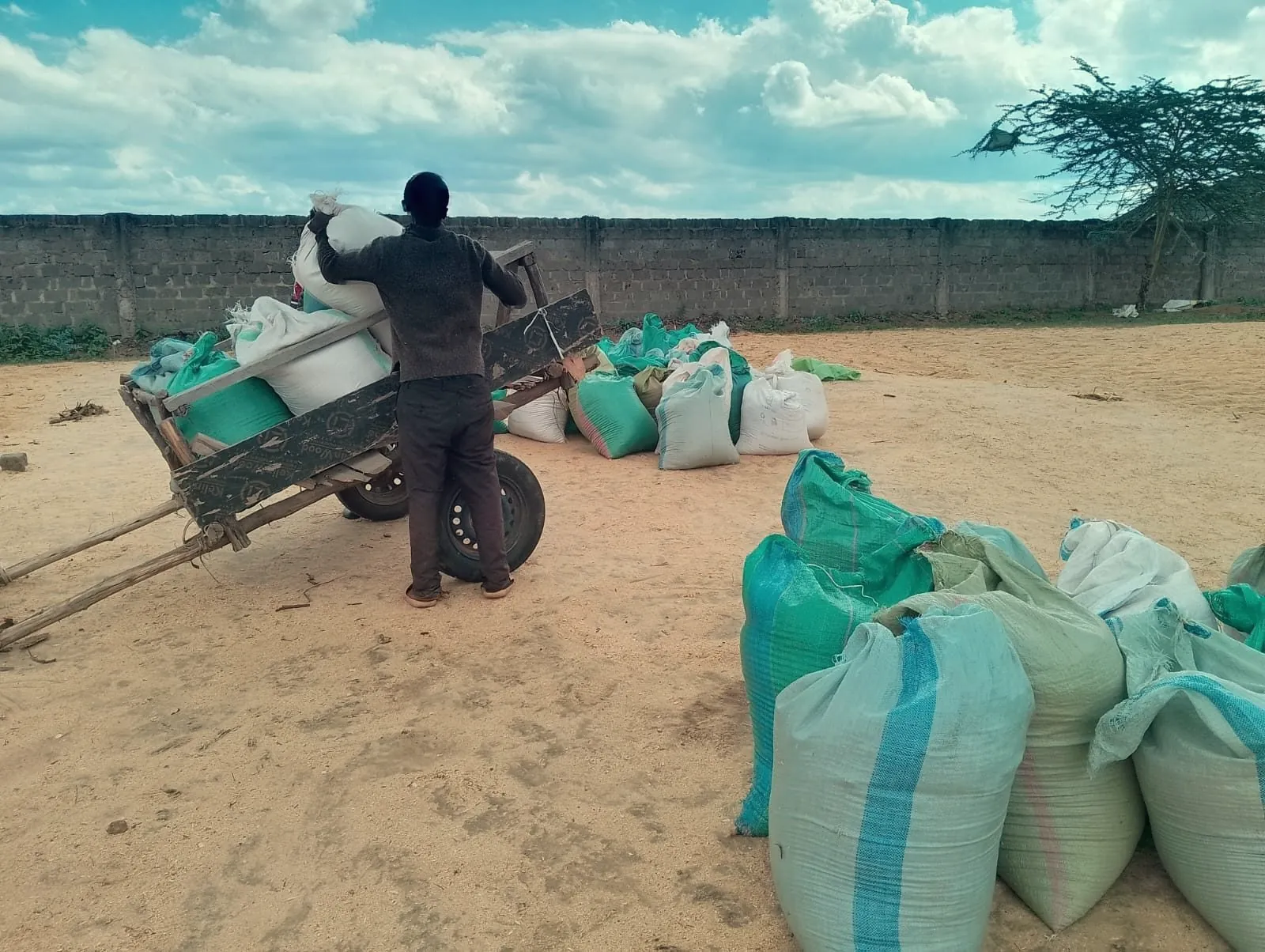
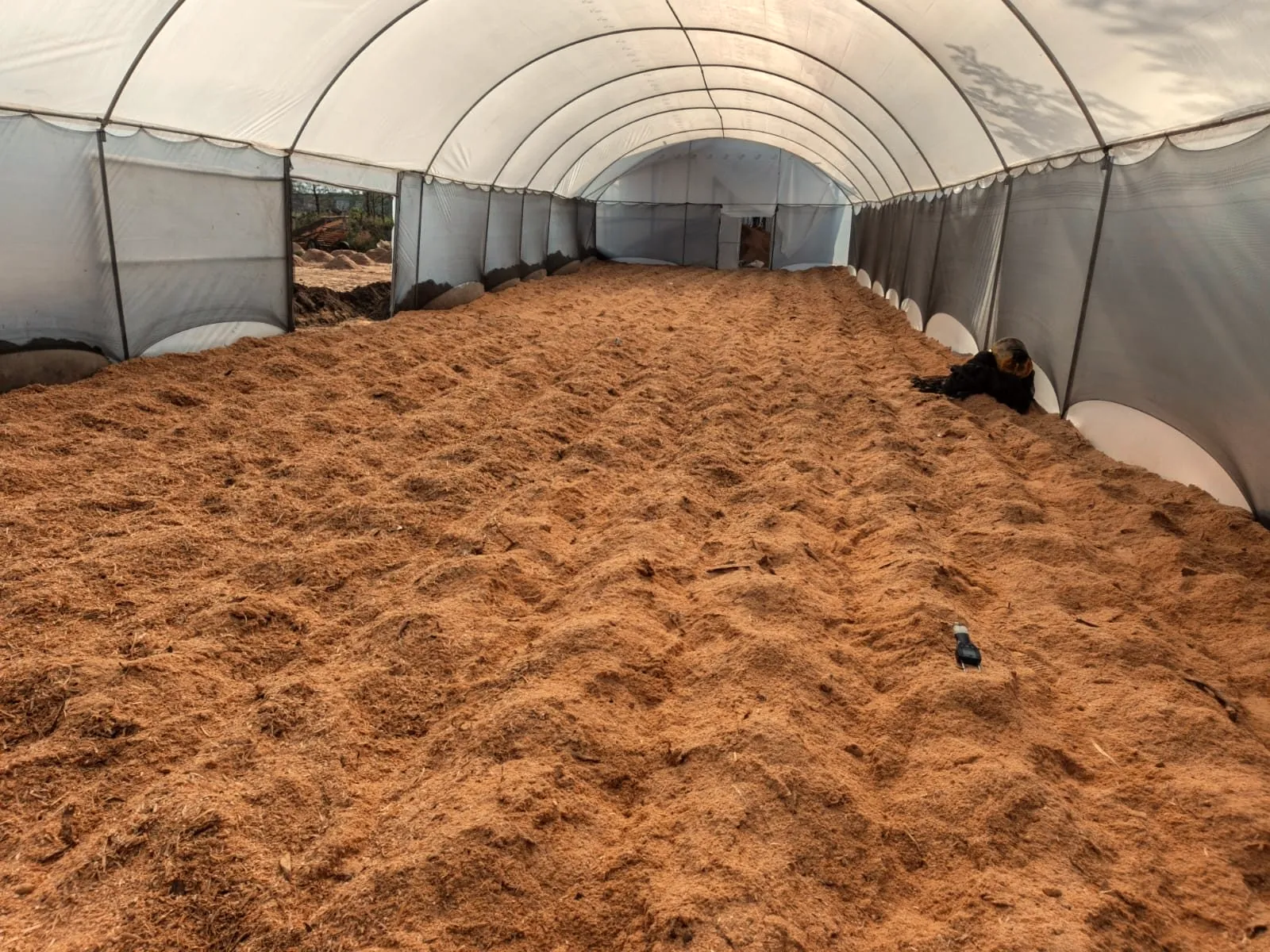
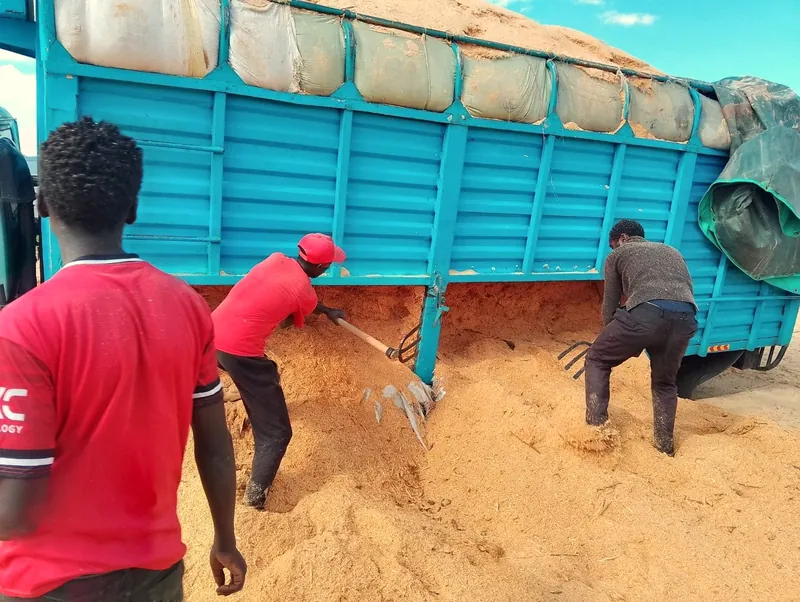
Sawdust from sawmills along Kenya’s western corridor is dried and pressed at our Maai Mahiu yard, then supplied to Kenyan industry.
- Local suppliers
- Collection
- Utheri processing
- Industrial customer
- Productive output
What we measure
- Briquettes produced 100+ tonnes / month
- Briquettes produced, annualised 1,200+ tonnes / year
- Product lines supplied 7 biomass fuels
- Producing in Maai Mahiu 2022 operating since
What it contributes to
- Local sourcing
- Value addition
- Supplier opportunities
- Jobs & livelihoods
- Industrial productivity
Broader benefits our work supports. We only publish figures for what we measure.
People · Livelihoods
The people behind every tonne.
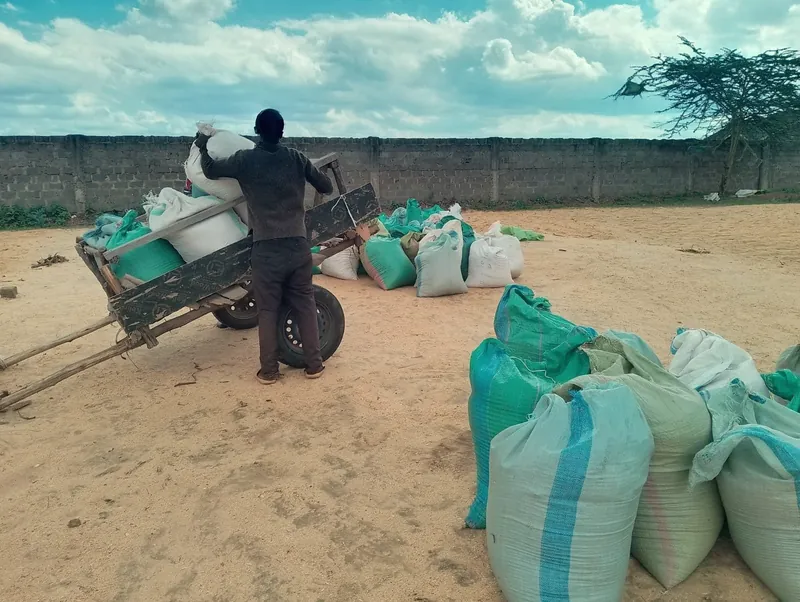
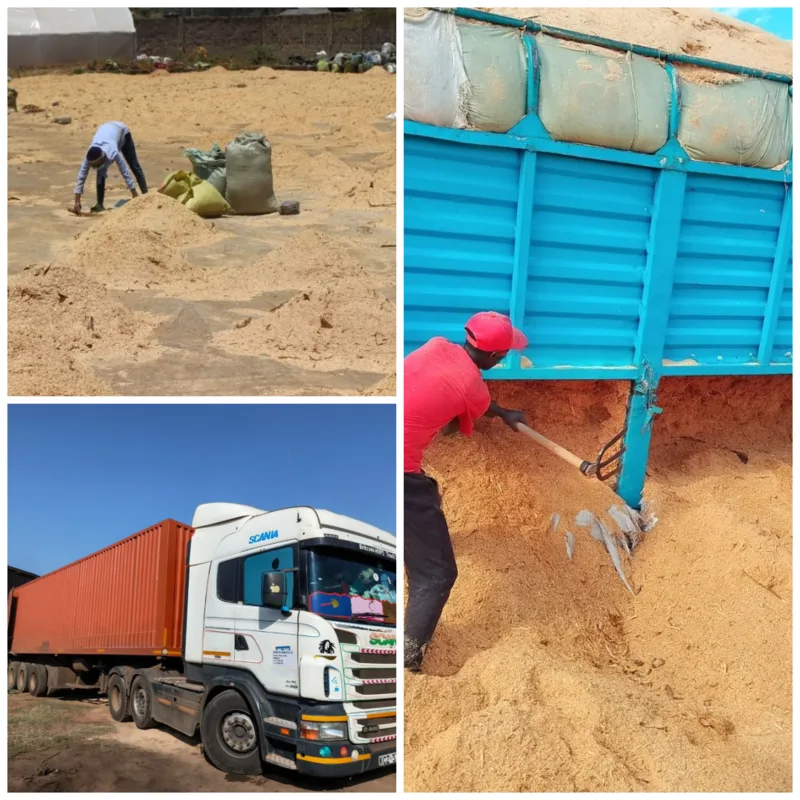
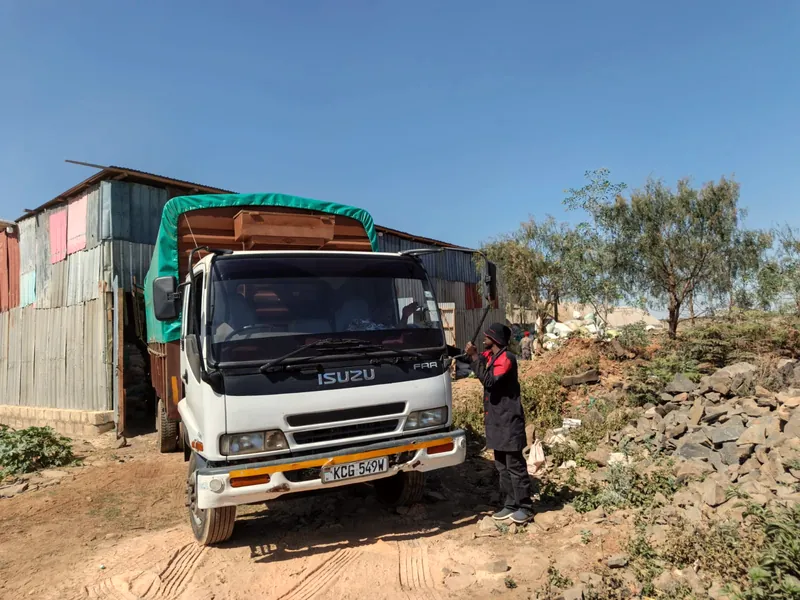
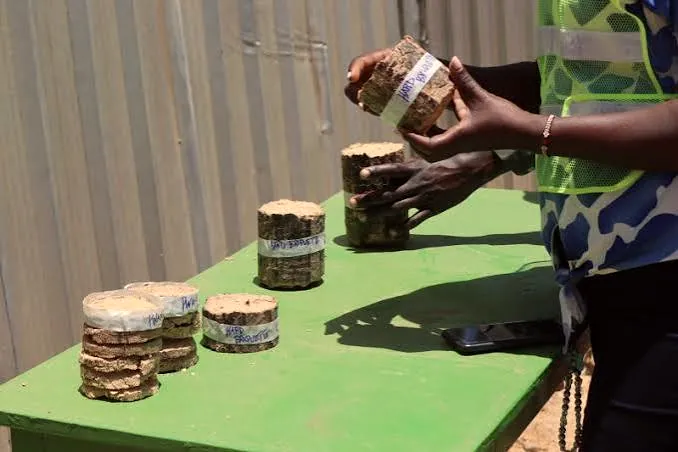
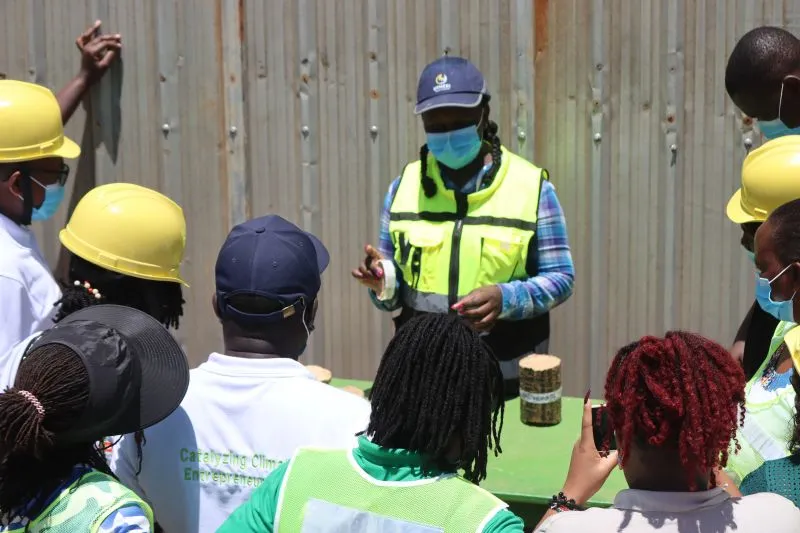
Every briquette passes through many hands: people collecting residue, drying and testing it, running the press and driving it to our customers. Creating that work, particularly for women and youth, is part of why Utheri exists.
“Livelihoods created, dignity restored, and communities empowered.”
-
Collection
-
Offloading
-
Transport
-
Industrial use
Goals · SDG alignment
SDG alignment: local work, global goals.
The UN Sustainable Development Goals our work contributes to.
- 7 Affordable and clean energy Local biomass fuel for industrial heat.
- 5 Gender equality Work across the value chain, with a focus on women.
- 8 Decent work and economic growth Jobs in collection, drying, pressing and delivery.
- 12 Responsible consumption and production Residues turned into a product instead of waste.
- 13 Climate action An alternative to firewood and fossil fuels for heat.
Principles · What impact means to us
Our principles: impact isn’t one number.
- 1 Resource Making better use of what already exists.
- 2 Industry Helping businesses turn energy into productive output.
- 3 People Creating opportunities across the value chain.
- 4 Future Building a more circular energy economy.
Trusting the process.
Ready to turn resources into value?
Let’s explore what biomass can do for your operation.